- Eduniversal
-

-
Business Schools Ranking
-
Africa
- Algeria
- Angola
- Benin
- Cabo Verde
- Cameroon
- Congo
- Djibouti
- Egypt
- Eswatini
- Ethiopia
- Gabon
- Ghana
- Ivory Coast
- Kenya
- Lesotho
- Madagascar
- Malawi
- Mali
- Mauritania
- Mauritius
- Morocco
- Mozambique
- Namibia
- Nigeria
- RDC
- Rwanda
- Senegal
- Sierra Leone
- Somalia
- South Africa
- Sudan
- Tanzania
- Togo
- Tunisia
- Uganda
- Zambia
- Zimbabwe
- Central & Eastern Europe
- Central Asia
- Eurasia & Middle East
- Far East Asia
- Latin America
- North America
- Oceania
- Western Europe
-
Africa
- Schools of Excellence by field
- Awards
- News
- Contact
Explore Eduniversal’s 2025 ranking of the top 5 business schools in North America, highlighting Harvard, MIT Sloan, McGill, Yale, and Stanford GSB.
12/12/2025

Summary:
Discover the top five business schools in North America as voted by global academic leaders in Eduniversal’s 2025 ranking. Learn what sets Harvard, MIT Sloan, McGill, Yale, and Stanford apart in a rapidly changing global MBA landscape.
Eduniversal 2025: A Peer-Endorsed Global Business School Ranking
The 2025 edition of the Eduniversal Deans’ Vote reaffirms North American excellence in business education, with Harvard Business School claiming the top spot, followed by MIT Sloan School of Management, McGill University’s Desautels Faculty of Management, Yale School of Management, and Stanford Graduate School of Business.
Celebrating its 18th edition, this peer-assessed ranking draws over 700 votes from deans across 153 countries, each evaluating influence, accreditations, and international academic partnerships.
Eduniversal blends expert opinion with global influence. Of the approximately 1,000 schools reviewed, only 100 belong in the highly esteemed "5 Palmes of Excellence" group—and North America's top five dominate this tier.
Harvard Business School: Global Legacy Meets Purpose-Driven Vision
Harvard Business School (HBS) leads the North American pack in Eduniversal’s 2025 rankings, spotlighted for its strategic global partnerships and unwavering focus on principled leadership.
Under Dean Srikant M. Datar's guidance, HBS thrives on a hybrid of thought leadership and actionable business practice, pushing students to become agents of change across sectors.
Its revolutionary case-method learning model, adopted by more than 77 million students globally, aligns with Eduniversal’s goal of recognizing schools that empower international learning through real-world business insight.
MIT Sloan: Innovation at the Intersection of Ethics and Technology
MIT Sloan School of Management ranks just behind Harvard, celebrated for its tech-forward curriculum steeped in values-led innovation.
Dean Richard Locke encapsulates the school’s vision of nurturing “changemakers” equipped to respond to challenges like AI integration and climate sustainability with socially responsible strategies.
MIT’s emphasis on interdisciplinary learning aligns with trends seen in fast-developing regions such as the Asia-Pacific education hubs, showcasing a world where ethical tech and business education coalesce.
McGill Desautels: Championing Canada’s Multicultural Edge
At No. 3, Desautels Faculty of Management at McGill University breaks the U.S. monopoly, showing that Canadian schools are gaining international traction.
Dean Yolande E. Chan spearheads McGill’s efforts to blend multicultural learning environments with interdisciplinary excellence, earning this school its spot in the elite tier.
While U.S.-centric ratings like U.S. News skip McGill, Eduniversal’s peer-vote prioritizes international perspective, positioning McGill Desautels as Canada’s premier globally recognized business school. Its partnerships span continents—from Africa to Europe—incorporating diverse student profiles and faculty exchanges.
This global outreach mirrors success seen in institutions within South American countries like Brazil that are building strong multicultural and economic bridges.
Yale School of Management: Thoughtful Leadership for Societal Change
Yale School of Management secures the No. 4 ranking through its commitment to producing leaders dedicated to societal transformation.
Dean Kerwin K. Charles spearheads initiatives that span sectors—from nonprofit to private—making Yale SOM a model for business as a force for good.
While U.S. News listed Yale at No. 10 in 2025 (shared slots abound due to score clustering), Eduniversal’s dean-driven model affirms the school’s balanced academic and ethical reputation. With its “5 Palmes of Excellence,” Yale's value-based programs emphasize cross-sector fluency and integrity.
Interest in ethical management and social entrepreneurship is also rising in rapidly developing nations such as India, where demand is surging for programs focused on business for good.
Stanford Graduate School of Business: The DNA of Silicon Valley
Stanford Graduate School of Business ranks fifth among North America’s business schools in Eduniversal’s 2025 peer vote. Embodying entrepreneurial spirit, Dean Sarah Soule champions bold thinking and technology-driven innovation—mirroring the school’s location in the heart of Silicon Valley.
Despite slipping to No. 26 in Poets&Quants due to exclusion from U.S. News data, Stanford remains a leader in Eduniversal’s eyes.
Its inclusion in the “5 Palmes” category underscores its international impact and long-standing contribution to startup ecosystems worldwide.
This culture of entrepreneurial dynamism is echoed in countries like Israel, where Eduniversal highlights the role of education in building innovation-driven economies.
Key Trends and Global Insights: What Sets These Rankings Apart
What distinguishes Eduniversal’s methodology is its synthesis of peer validation and data-backed impact. Incorporating over 50 global rankings plus key accreditations (AACSB, EQUIS, etc.), the focus turns to “universal influence”—a school’s power to shape not just business, but societies across borders.
In 2025, 100 schools earned “5 Palmes of Excellence,” with the U.S. accounting for seven: Harvard, MIT Sloan, Stanford, Yale, Wharton, Booth, and Columbia.
Western Europe leads the Palmes count, but rising stars like CEIBS and Tsinghua demonstrate Asia’s growing strength.
Eduniversal also reviews 5,600 programs across 58 fields, impacting over 77 million learners worldwide. Its reach extends from the Ivy League to Africa, with rankings for schools in Kenya and other emerging hubs playfully elevating local innovation.
Why Peer Recognition Matters in 2025—And Beyond
Amid volatile rankings—U.S. News had Wharton No.1, Harvard sixth—Eduniversal’s peer-led approach offers clarity.
With global business shifting at speed (think AI, ESG, fintech), schools valued by their peers signal which institutions truly equip future leaders with adaptive, ethical, and agile mindsets.
HBS grads populate Fortune 500 lists; MIT Sloan leads in sustainable innovation; McGill fosters inclusive policies; Yale bridges governments and NGOs; Stanford spawns unicorns. These schools shape the continuum of leadership in a disruptive global climate.
Prospective MBAs should consider peer-recommended institutions. And for educators, policymakers, and partner institutions; whether in France or Singapore; strategic alliances with North America’s finest can amplify research, mobility, and sustainable impact.
Latest news
12/12/2025
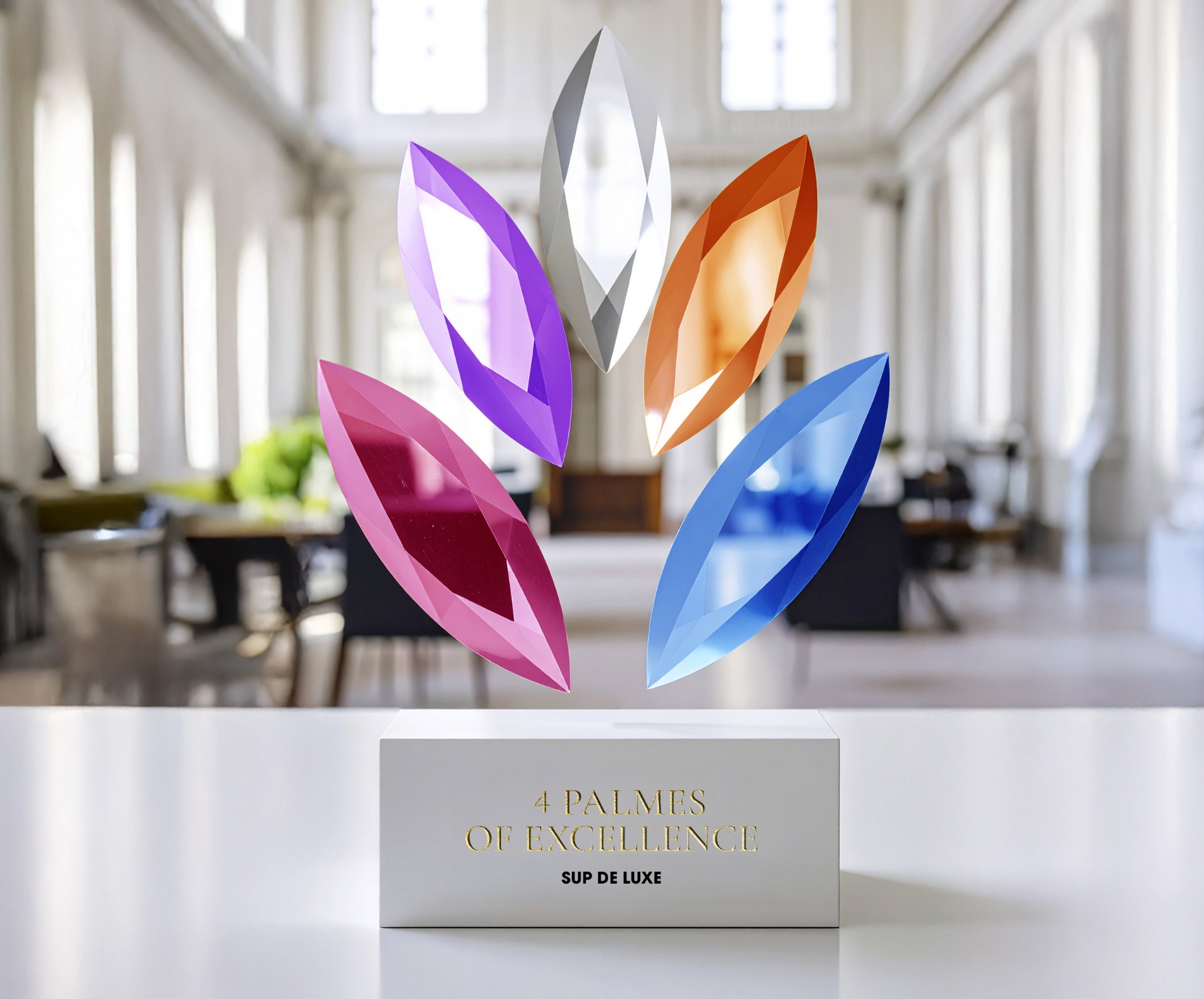
Discover how Sup de Luxe sets the global benchmark in luxury business education with its prestigious 4 Palmes of Excellence from Eduniversal 2025.
12/11/2025
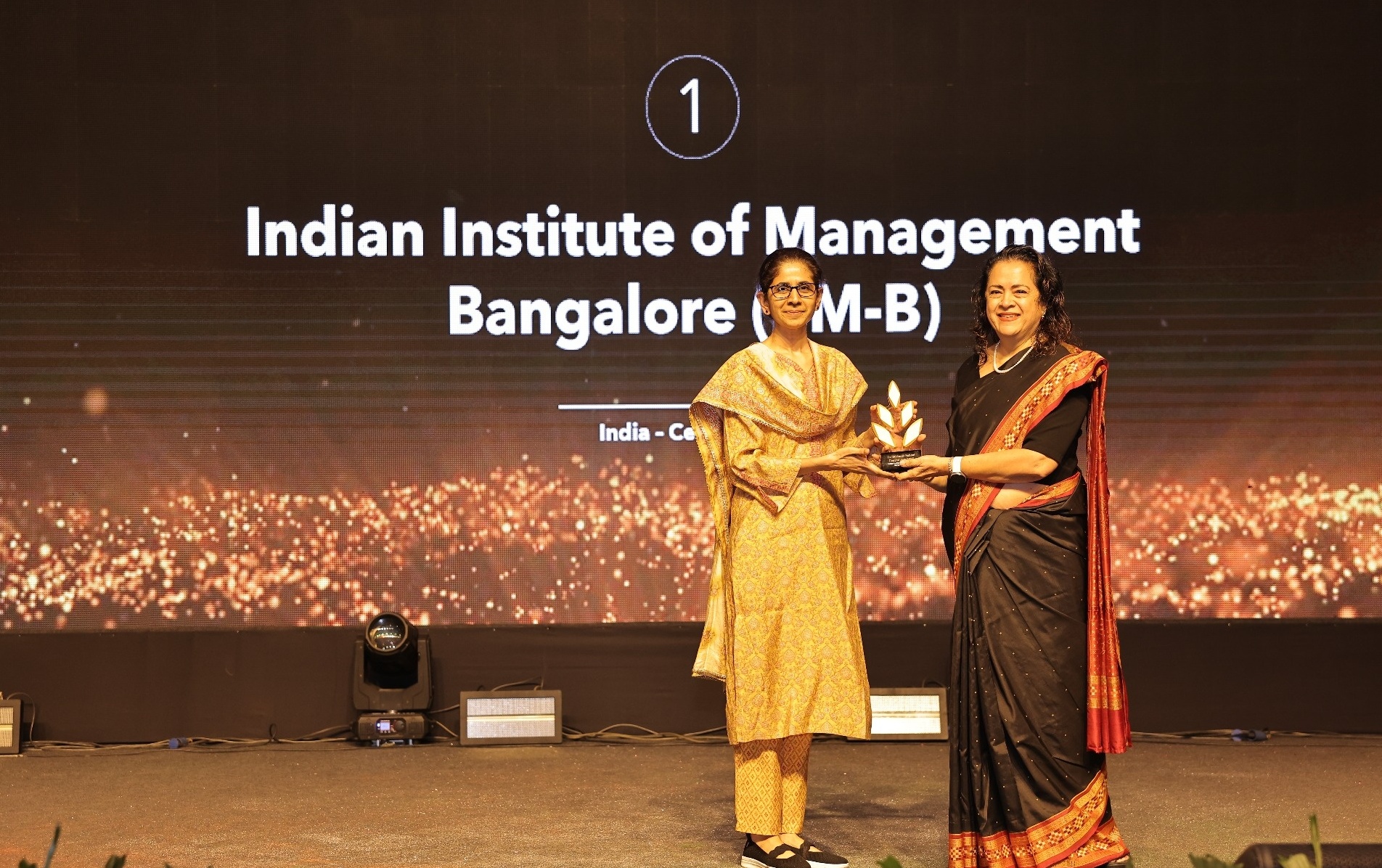
Explore the top business schools influencing Central Asia in 2025 according to Eduniversal, featuring IIMs and insights into regional academic trends.
12/11/2025
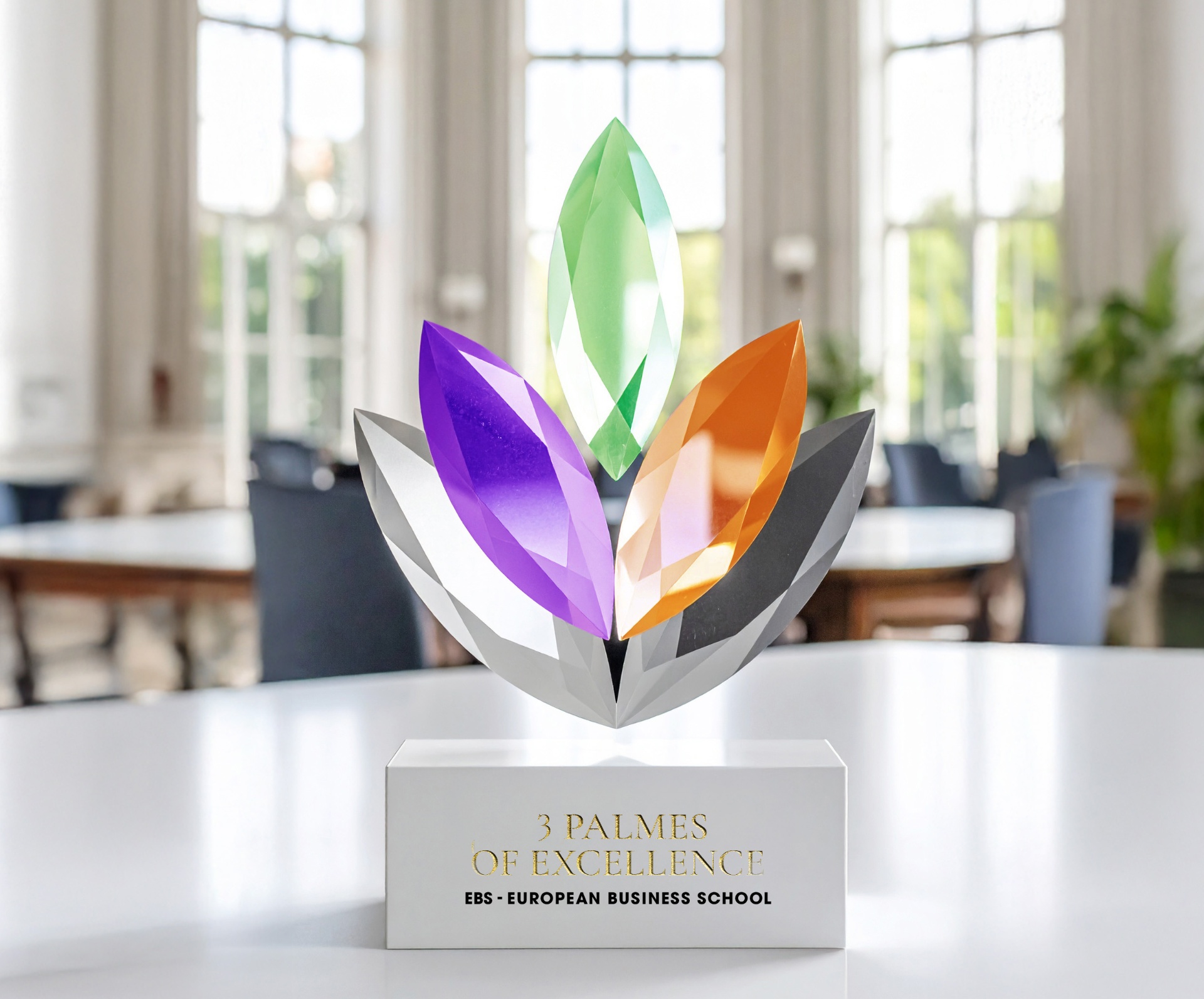
Discover how EBS – European Business School is shaping global leaders through its tri-campus model, innovative programs, and international partnerships.