- Eduniversal
-
Business Schools Ranking
-
Africa
- Algeria
- Angola
- Benin
- Cabo Verde
- Cameroon
- Congo
- Djibouti
- Egypt
- Eswatini
- Ethiopia
- Gabon
- Ghana
- Ivory Coast
- Kenya
- Lesotho
- Madagascar
- Malawi
- Mali
- Mauritania
- Mauritius
- Morocco
- Mozambique
- Namibia
- Nigeria
- RDC
- Rwanda
- Senegal
- Sierra Leone
- Somalia
- South Africa
- Sudan
- Tanzania
- Togo
- Tunisia
- Uganda
- Zambia
- Zimbabwe
- Central & Eastern Europe
- Central Asia
- Eurasia & Middle East
- Far East Asia
- Latin America
- North America
- Oceania
- Western Europe
-
Africa
- Schools of Excellence by field
- Awards
- INTERNATIONAL SCIENTIFIC COMMITTEE
- News
- Contact


Explore the top business schools influencing Central Asia in 2025 according to Eduniversal, featuring IIMs and insights into regional academic trends.
Summary:
Discover the leading business schools shaping business education in Central Asia for 2025, as ranked by the Eduniversal Deans' Vote Survey. This article explores the top Indian institutions dominating the rankings, presents regional context, and provides updates on educational trends.
Eduniversal 2025 Rankings: Spotlight on Central Asia’s Leaders
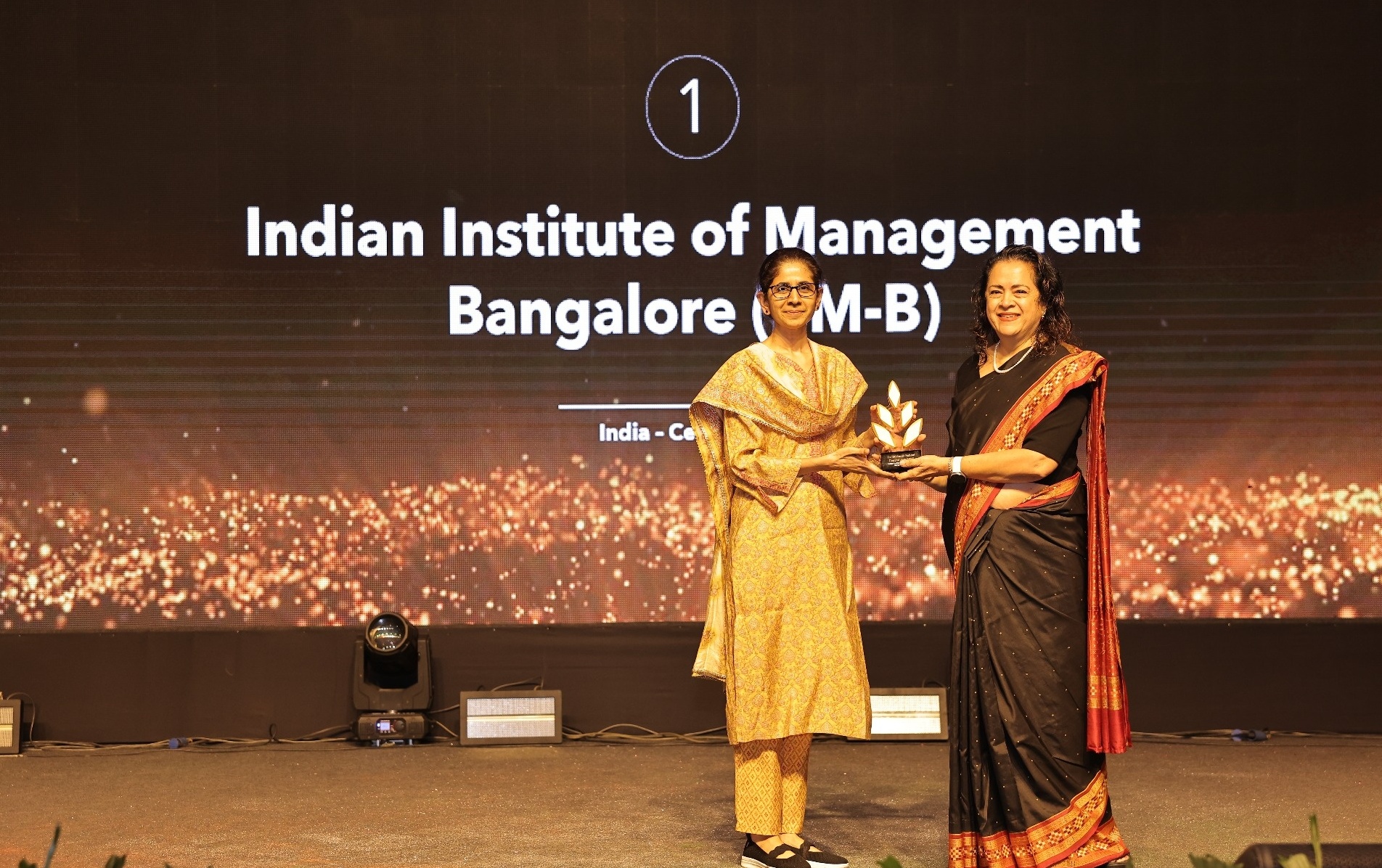
The prestigious Eduniversal Deans’ Vote Survey has identified the top five business schools in Central Asia for 2025. While these institutions are located in India, their strong academic reputation and regional influence grant them leadership in the broader Central Asian region. These include:
- Indian Institute of Management Bangalore (IIM Bangalore)
- Indian Institute of Management Ahmedabad (IIM Ahmedabad)
- Indian Institute of Management Calcutta (IIM Calcutta)
- Indian School of Business (ISB)
- Indian Institute of Management Indore (IIM Indore)
The rankings are based on peer evaluations by over 700 academic deans worldwide. This recognition underscores the influence these schools exert in shaping business academia within and beyond Asia.
For institutions across regions such as Armenia and Kazakhstan, these benchmarks set standards for global and regional relevance in business education.
1. Indian Institute of Management Bangalore (IIM Bangalore)
Ranked first in Central Asia for 2025, IIM Bangalore is renowned for its rigorous academic programs and close ties to industry innovation. Headed by Director in Charge Prof. Dinesh Kumar and Prof. Mukta Kulkarni, the institute emphasizes practical business acumen and research-informed teaching. The school is also a prominent center for executive education, equipping professionals with high-level managerial skills tailored to emerging economies.
Explore more Indian business schools.
2. Indian Institute of Management Ahmedabad (IIM Ahmedabad)
Sitting at number two in the region, IIM Ahmedabad is celebrated for transformative research and an entrepreneurial spirit. Led by Prof. Bharat Bhasker and Dean Satish Deodhar, the institute cultivates global business leadership through dynamic curriculum and internationally recognized case-based learning practices.
Global institutions like IIM Ahmedabad often serve as references for innovation in Malaysia and other rising business education hubs in Asia.
3. Indian Institute of Management Calcutta (IIM Calcutta)
Directed by Prof. Alok Kumar Rai, IIM Calcutta maintains an enduring legacy in business education and research. Known for its excellence in strategic thinking and financial analysis, the institute is instrumental in developing thought leadership and advancing academic knowledge in business sciences.
Emerging economies such as those in Kyrgyzstan and neighboring Central Asian nations may draw inspiration from such academic excellence for homegrown development.
4. Indian School of Business (ISB)
ISB, under the leadership of Dean Dr. Madan Pillutla, is a newer yet highly impactful institution in India. The school's modern MBA and executive offerings are built on global academic and corporate partnerships. Drawing top faculty from around the world, ISB maintains a forward-looking focus on data, sustainability, and innovation—critical to thriving in the shifting economic landscape of Asia.
Other countries such as Kazakhstan are aligning with such trends by enhancing their executive and innovation-driven educational offerings.
5. Indian Institute of Management Indore (IIM Indore)
Under Prof. Himanshu Rai, IIM Indore takes a unique interdisciplinary and global approach, fostering crucial collaborations across borders. The school contributes significantly to shaping Central Asia’s educational transformation by supporting student and faculty mobility and regional academic networking. Its role as host of the 2025 Eduniversal Awards Gala further amplifies its regional importance.
Countries enhancing their academic visibility—like those in Uzbekistan—can look to such institutions as beacons for development strategies and international collaboration.
Understanding Central Asia’s Academic Ecosystem
Although Indian schools hold the top positions, Central Asia itself is home to emerging institutions shaping the future of regional business education. These include:
- Almaty Management University (AlmaU) – Kazakhstan
- KIMEP University – Kazakhstan
- Nazarbayev University Graduate School of Business – Kazakhstan
- Tashkent State University of Economics – Uzbekistan
- Westminster International University in Tashkent – Uzbekistan
- American University of Central Asia – Kyrgyzstan
These institutions are increasingly leveraging digital innovation, local relevance, and international standards to build competitive programs that serve their national economies. Countries like Turkey and Georgia experience similar educational transformations driven by regional needs and global aspirations.
Key Trends Shaping Business Schools in 2025
The Eduniversal Survey reveals important trends and best practices from leading business schools worldwide:
- Reputation-Based Rankings: Institutions are evaluated by deans globally, combining peer reviews with academic indicators—such as faculty mobility, accreditations, and academic influence.
- Cross-Border Collaborations: Partnerships between business schools enhance student exchange programs, research collaborations, and academic diversity.
- Commitment to Innovation and Sustainability: Business schools are increasingly integrating climate-conscious practices and digital transformation into their curricula.
- Executive Education Expansion: Institutions like ISB and IIM Bangalore continuously expand executive outreach, addressing real-time business challenges in volatile markets.
Academic excellence and global positioning have also influenced strategies in countries such as Sri Lanka aiming to reinforce their executive programs and corporate training ecosystems.
Eduniversal 2025 in Numbers
The 2025 survey highlights the global scale of Eduniversal’s influence:
- 700+ academic deans from 154 countries participated in the Deans’ Vote.
- Over 1,000 business schools assessed across 9 global zones.
- The Gala Awards, held in Indore, emphasized academic-industry alignment and peer collaboration.
The regional emphasis seen in this year’s rankings mirrors the strategies pursued in other education centers, including engagements in regions like Vietnam and Azerbaijan, both striving for deeper integration into global education networks.
Latest news

10/08/2026
The Graduate School of Economics and Management (GSEM) of Ural Federal University (UrFU) is a large, internationally connected business school located in Ekaterinburg (also spelled Yekaterinburg), Russia.

10/07/2026
MIM Business School, founded in Kyiv in 1989, has been upgraded to 5 Palmes of Excellence in the Eduniversal Official Selection of the Best Business Schools worldwide.

10/06/2026
Riga Business School (RBS), part of Riga Technical University, has been upgraded to 5 Palmes of Excellence in the Eduniversal Official Selection of the Best Business Schools worldwide.