- Eduniversal
-
Business Schools Ranking
-
Africa
- Algeria
- Angola
- Benin
- Cabo Verde
- Cameroon
- Congo
- Djibouti
- Egypt
- Eswatini
- Ethiopia
- Gabon
- Ghana
- Ivory Coast
- Kenya
- Lesotho
- Madagascar
- Malawi
- Mali
- Mauritania
- Mauritius
- Morocco
- Mozambique
- Namibia
- Nigeria
- RDC
- Rwanda
- Senegal
- Sierra Leone
- Somalia
- South Africa
- Sudan
- Tanzania
- Togo
- Tunisia
- Uganda
- Zambia
- Zimbabwe
- Central & Eastern Europe
- Central Asia
- Eurasia & Middle East
- Far East Asia
- Latin America
- North America
- Oceania
- Western Europe
-
Africa
- Schools of Excellence by field
- Awards
- INTERNATIONAL SCIENTIFIC COMMITTEE
- News
- Contact


Explore the 2025 Eduniversal Deans’ Vote Top 5 business schools in the Middle East & Eurasia. Discover what sets them apart and key trends shaping global business education.

Summary: This article covers the top 5 business schools named in the 2025 Eduniversal Deans’ Vote for the Middle East and Eurasia region. We explore how the rankings are determined, the impact of peer reputation, standout features of each school, and key learnings for prospective students and institutions.
Understanding the Eduniversal Deans’ Vote Ranking Methodology
The Eduniversal Deans’ Vote is a unique, peer-driven ranking system that surfaces top global business schools through direct votes from academic leaders. Every year, over 700 deans and directors submit recommendations on institutions they would advise to students via Eduniversal’s secure platform. In the 2025 edition, more than 1,000 schools from 153–154 countries were evaluated, highlighting leading academic institutions by region with “Palmes of Excellence.”
Elements such as international accreditations, program-level rankings, and academic networks influence schools' positioning. For example, deans from countries like Armenia and Algeria participate in the vote, contributing to a comprehensive and nuanced global ranking.
Who Made the Top 5 in 2025?
The 2025 Eduniversal Deans’ Vote has recognized the following schools as regional leaders in business education:
- Koç University – Graduate School of Business (Turkey)
- Coller School of Management – Tel Aviv University (Israel)
- Istanbul University – School of Business (Turkey)
- Suliman S. Olayan School of Business – American University of Beirut (Lebanon)
- Hebrew University Business School (Israel)
These institutions bridge strong local foundations with global reach. Their strategies reflect a blend of academic rigor, international cooperation, and a commitment to responsible leadership education. Countries such as Lebanon and Turkey demonstrate how regional schools can lead globally through innovation and quality assurance.
Key Themes Driving Recognition
What separates these top schools from others in the region? Here are four standout themes:
- Peer-endorsed Reputation: Recognition in the Deans’ Vote is rooted in the professional trust of fellow deans, emphasizing long-standing relationships, visibility in academic networks, and collaborative initiatives.
- Global Ambition Grounded in Local Strength: These schools embrace regional context while expanding global partnerships and accreditations (e.g., AACSB), fostering well-rounded program delivery.
- Focus on Ethics and Interdisciplinarity: There is growing attention to leadership ethics, civic impact, and entrepreneurship embedded in curricula.
- Proof through Program Rankings: Institutions emphasize objective metrics such as Master’s-level rankings and accreditation to supplement institutional reputation.
Institutions in regions like Saudi Arabia and Jordan may draw inspiration from these strategies for their own institutional elevation.
Profiles of the Top 5 Business Schools
Koç University Graduate School of Business (Turkey)
Ranked #1 in the region, Koç University GSB is lauded for its international outlook, robust modular MBA tracks, and its strong placements in subject-specific rankings. With accreditations and research-led teaching, Koç exemplifies how Turkish institutions are rising on the global business education map.
Coller School of Management – Tel Aviv University (Israel)
Coller blends research intensity with a deep focus on technology and innovation. Being part of Israel’s tech ecosystem provides unique advantages in business education, attracting regional and global students alike.
Istanbul University School of Business (Turkey)
The oldest in Turkey, this school leverages tradition, a vast alumni network, and industry partnerships to enhance credibility and employability for its graduates. It is actively involved in modernizing leadership education, a trend seen among progressive institutions in Iran and elsewhere in the region.
Suliman S. Olayan School of Business – AUB (Lebanon)
Rooted in one of the oldest universities in the Middle East, AUB’s business school is accredited by AACSB and emphasizes research output, societal impact, and executive training—all key indicators of a school’s institutional strength and international relevancy.
Hebrew University Business School (Israel)
With its AACSB status and elite faculty, HUBS maintains a strong focus on academic excellence. Its Dean, Prof. Orly Sade, highlights the school’s commitment to “academic excellence, innovation, and global engagement.” The school’s dedication resembles the model seen in emerging countries like Uzbekistan looking to develop global visibility within their institutions.
Notable Metrics Backing the Rankings
Eduniversal’s reach extends across continents, evaluating 1,000+ schools and collecting over 700 dean recommendations. Rankings rely not only on perception but also on:
- Institutional Rankings: Such as Koç’s presence in QS TopMBA listings.
- Program-level Honors: Through Eduniversal’s own master-specific distinctions.
- Global Accreditation: With AACSB, AMBA, and EQUIS as frequent quality markers. Schools like those found in Egypt are increasingly aligning with these standards.
Takeaways for Students and Institutions
These schools are following clear best practices that can guide others across the region and beyond:
- Strategically pursue and promote international accreditation for credibility.
- Design curricula incorporating ethics, innovation, sustainability, and entrepreneurship.
- Highlight measurable success stories from MBA and Master's programs.
- Expand employer partnerships and alumni interaction for student benefit—a practice being successfully adopted in regions like Armenia and Nigeria.
Latest news
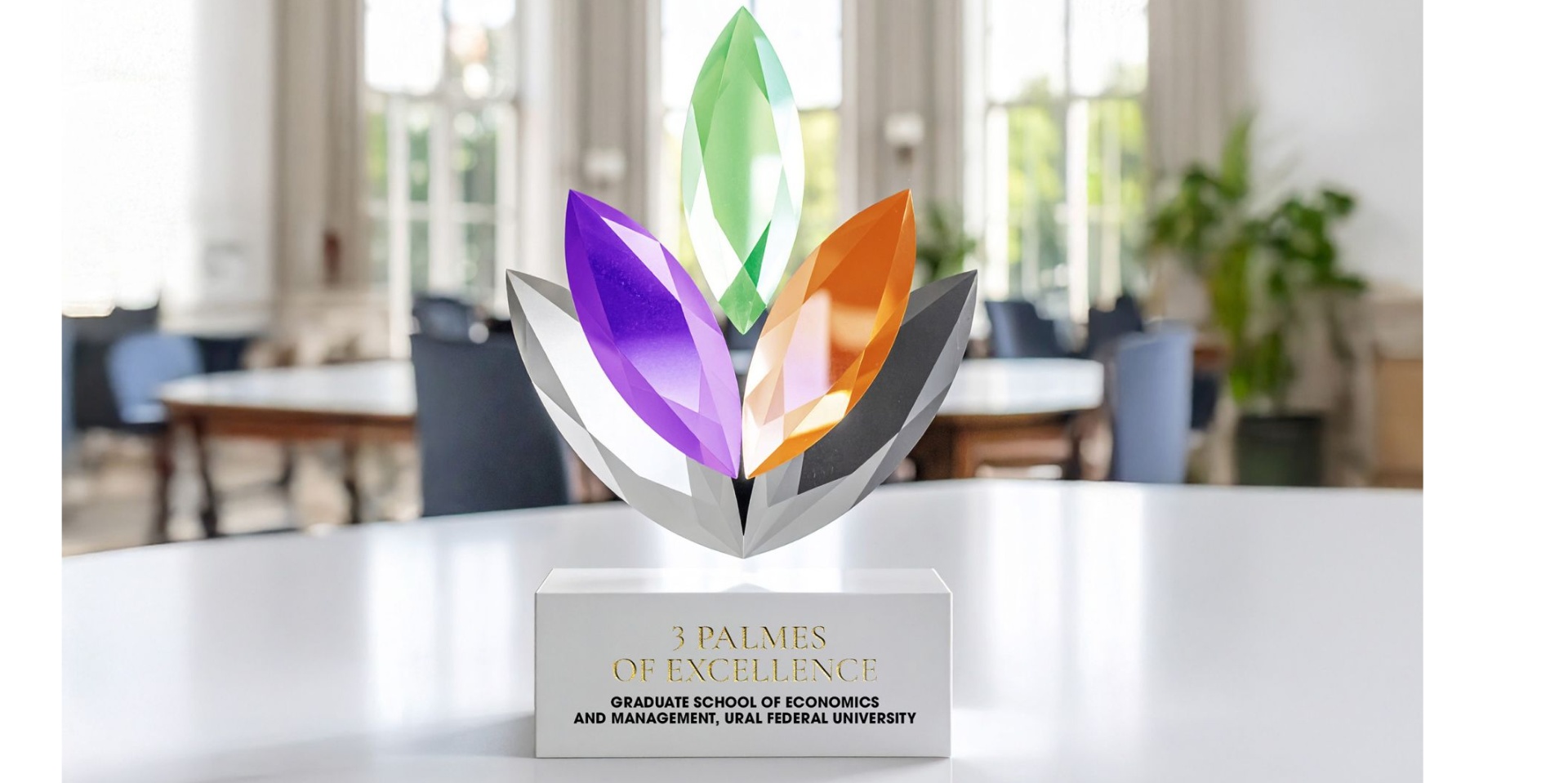
10/08/2026
The Graduate School of Economics and Management (GSEM) of Ural Federal University (UrFU) is a large, internationally connected business school located in Ekaterinburg (also spelled Yekaterinburg), Russia.
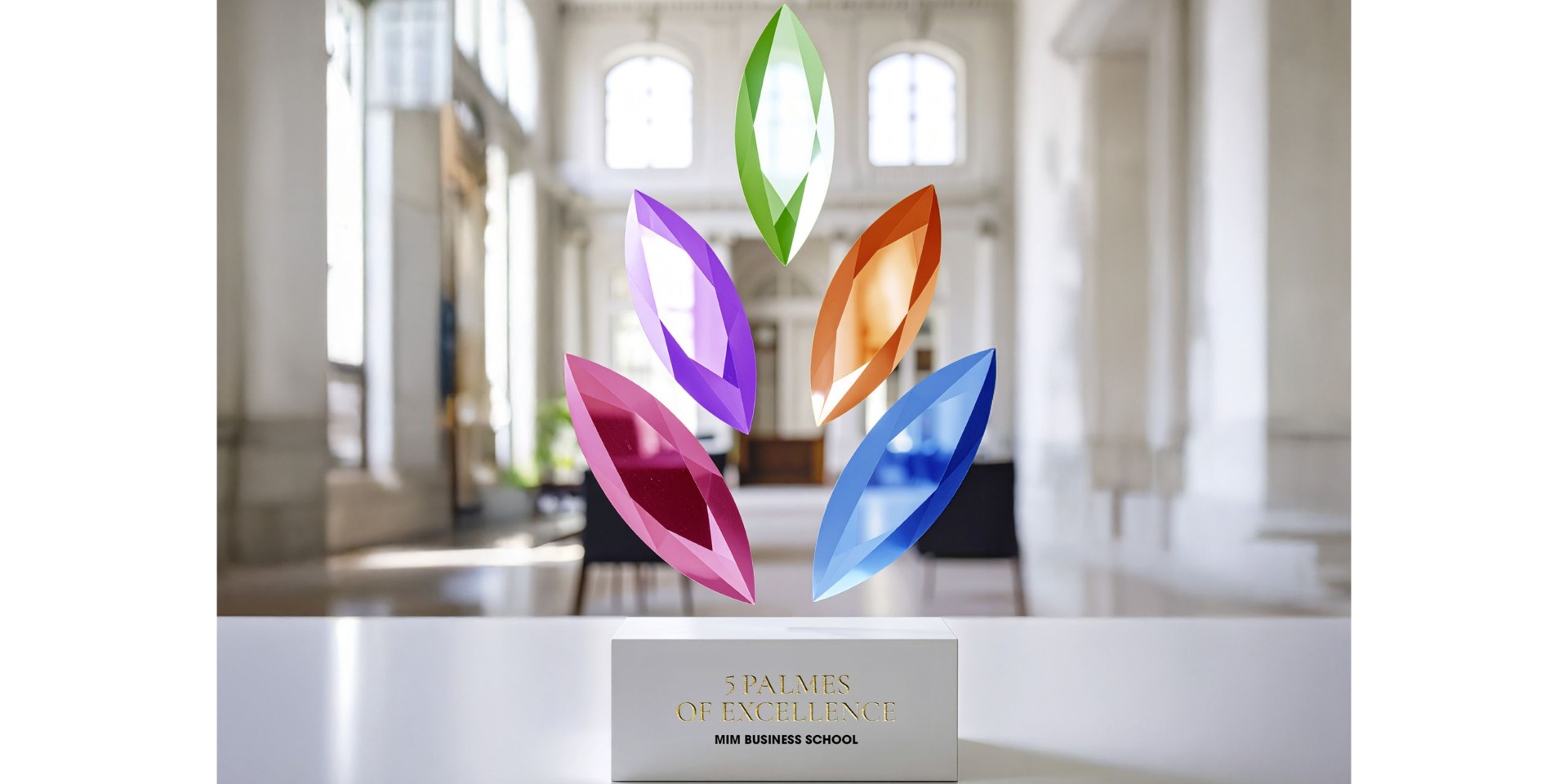
10/07/2026
MIM Business School, founded in Kyiv in 1989, has been upgraded to 5 Palmes of Excellence in the Eduniversal Official Selection of the Best Business Schools worldwide.
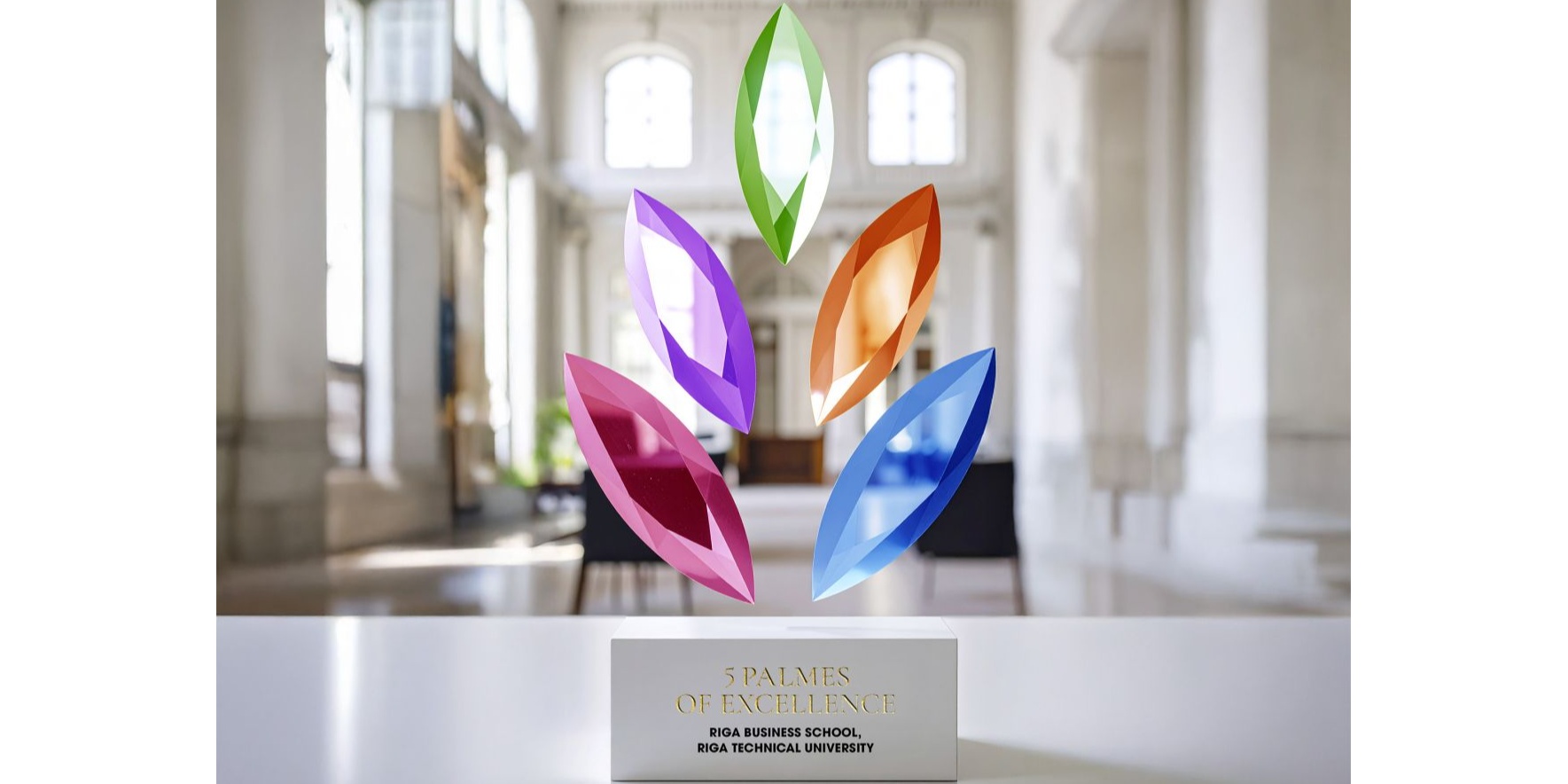
10/06/2026
Riga Business School (RBS), part of Riga Technical University, has been upgraded to 5 Palmes of Excellence in the Eduniversal Official Selection of the Best Business Schools worldwide.